Tailored support — designed around your context
Every organization and professional working across cultures faces a different set of expectations, pressures and realities. That’s why my work is never off-the-shelf. Whether through assessment, facilitated learning or guided application, each engagement is shaped around your goals, context and practical constraints.
How support is typically used
For individuals and teams seeking clarity
Assessments are often used to make invisible assumptions visible. They help individuals and teams understand how cultural difference is shaping perception, communication and decision-making and provide a shared language for growth and adjustment.
For teams and organizations building capacity
Training and facilitated sessions focus on applying insight in practice. These experiences help teams develop shared understanding, practical strategies and the confidence to work more effectively across cultural differences.
Sample workshops & sessions
Below are a few examples of learning experiences designed for organizations and teams. These are illustrative samples, not fixed offerings and are shared to give a sense of how insight is translated into practice.
View sample workshops and sessions
Field School Pre-Departure Culture Workshop
Background
University students going on a two-week field school trip to a foreign country.
Format
In-person workshop
Duration
3 Hours
Solution
Each student left the workshop with:
✓ An intercultural competency assessment
✓ A development plan for continued learning
✓ Culture specific content for their trip to help them succeed in a foreign country
Conflict Solving Consultation Session
Background
An event organizer was struggling with perceived insults and disrespect she was experiencing from the event’s main presenter – who was also from a different cultural background.
Format
International video call
Duration
1 Hour
Solution
The organizer received:
✓ An intercultural competency assessment
✓ A development plan for continued learning
✓ A deeper cultural understanding of how the presenter’s insults were in fact compliments and signs of trust.
Intercultural Training for New Staff
Background
An organization needed to provide part-time employees with a crash-course on fundamental cultural differences and behaviors before welcoming 300 international guests and delegates at a 4-week event.
Format
Online course with evaluation
Duration
2 Hours (Self-paced learning)
Solution
Each new hire gained:
✓ Skills and knowledge to avoid cultural upsets
✓ Communication skills to minimize misunderstandings based on language and cultural differences
How I work
Discover
We begin with a focused conversation to understand your goals, context and challenges. You share what matters most and I ask the questions that help clarify what will be genuinely useful.
Design
Based on that understanding, I design a tailored approach that fits your timeline and budget. Content, methods and materials are shaped to your specific context and you’ll have clarity before anything begins.
Deliver
We bring the work to life through focused, engaging sessions or guided application. The emphasis is always on practical insight that can be used immediately in real situations.
Assessments
Assessments are used to build shared understanding when cultural difference begins to affect communication, decision making or collaboration. Rather than labelling people, these tools provide a clear, evidence-based way to understand how individuals and teams interpret difference and how that shapes behavior at work.

The IDI – Intercultural Development Inventory
Understand how you make sense of cultural difference and where growth is most useful
See samples and read more
Who it benefits
✔ Individuals
✔ Groups
✔ Organizations
✔ Leaders
What it is
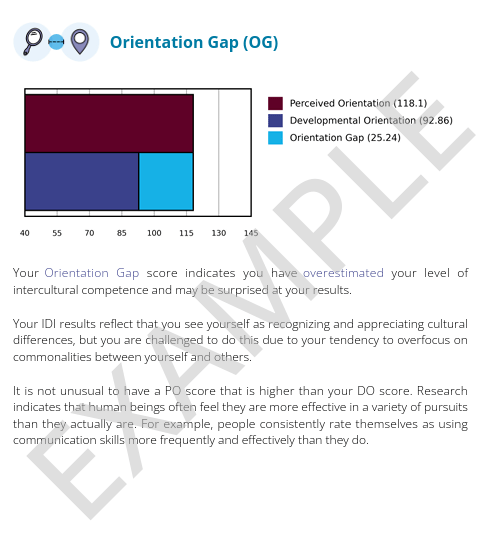
The Intercultural Development Inventory (IDI) is a research-based assessment grounded in the Intercultural Development Continuum. It measures how individuals or groups interpret and respond to cultural difference.
What it helps with
✔ Identifying patterns in how difference is understood
✔ Explaining why certain intercultural interactions feel easy or difficult
✔ Creating a shared, non-judgmental language for development
Why it matters
Where someone sits on the continuum shapes how they respond to difference, often without realising it. The IDI helps individuals and teams move beyond intention and assumption toward more accurate interpretation and intentional action.
Used well, it provides a practical roadmap for development rather than a score to defend.
Typical uses
- Professionals entering a new cultural context
- Internationally diverse teams
- Leadership development and onboarding
Start with the IDI
A structured way to understand how cultural differences is shaping your work.
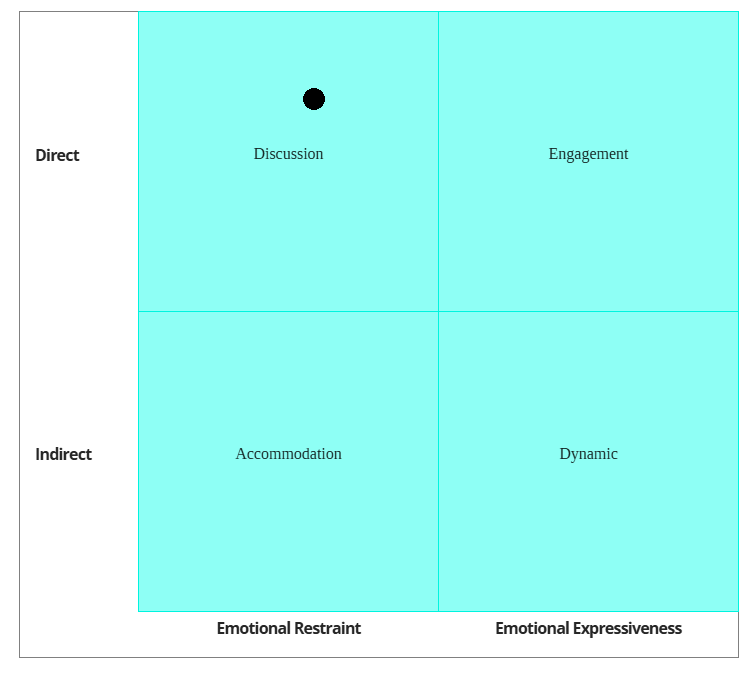
The ICS – Intercultural Conflict Style Inventory
Clarify how culture shapes your approach to disagreement and conflict
See samples and read more
Who it benefits
✔ Individuals
✔ Groups
✔ Organizations
✔ Leaders
What it is
The Intercultural Conflict Style Inventory (ICS) is a brief assessment that highlights how cultural background influences communication, emotional expression and approaches to resolving disagreement.
What it helps with
✔ Understanding different approaches to conflict
✔ Reducing escalation and misinterpretation
✔ Navigating emotionally charged situations more effectively
Why it matters
Many workplace conflicts are not about values or intent but about mismatched communication norms. The ICS makes these patterns visible and gives individuals and teams a shared reference point for addressing tension more constructively.
It is especially useful when conflict feels persistent, confusing or emotionally loaded.
Typical uses
- Leadership and management development
- Team conflict or communication breakdown
- Mediation support
- Culturally diverse workplaces
Explore the ICS
Understand conflict patterns before they become barriers.
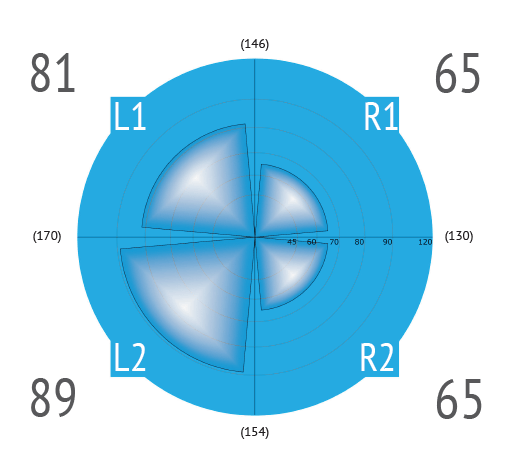
The NBI – Neethling Brain Instrument
Understand thinking preferences and how they shape communication and decision making
See samples and read more
Who it benefits
✔ Individuals
✔ Groups
✔ Organizations
✔ Leaders
What it is
The Neethling Brain Instrument (NBI) is a neuroscience-based assessment that maps thinking preferences and how these influence communication, problem solving and leadership behavior.
What it helps with
- Making different thinking styles visible and understandable
- Improving communication and collaboration
- Clarifying strengths, blind spots and working preferences
Why it matters
When teams struggle, the issue is often not competence but difference in how people think, decide and communicate. The NBI provides a clear, accessible way to understand these differences and use them more intentionally.
It supports better role alignment, clearer communication and more effective collaboration.
Typical uses
- Team development and collaboration
- Leadership awareness
- Career and role alignment
- Learning and communication preferences
Explore the NBI
Gain clarity on how thinking preferences shape the way people work together.
The NBI profile suite
- NBI General Adult
Workplace & Teams Add-ons
- NBI Business Relationship Style
- NBI Client Relationship Style
- NBI Desired Job Profile
- NBI Leadership Style
- NBI Personal Negativity
- NBI Skills
Personal Life Add-ons
- NBI Skills
- NBI Learning Style
- NBI Creativity Style
- NBI Personal Negativity
- NBI Teacher
- NBI Relationship Style
- NBI Desired Job
Education Add-ons
- NBI Learning Style
The NBI reveals your preferred thinking style—logical, emotional, creative, or strategic—and shows how it shapes your communication, decision-making, and leadership. Ideal for individuals, teams, and leadership development.
Training
Build stronger, more inclusive teams with custom workshops, onboarding support, and curriculum consulting. I help organizations develop practical cultural fluency so everyone can work better together—right from the start.

Custom workshops
Build shared understanding and practical strategies for working across cultures
Read more
I design focused, interactive workshops that help teams surface assumptions, interpret difference more accurately and develop practical ways of communicating and collaborating across cultures. Sessions are shaped around your context and current challenges and can be delivered virtually or in person.
What this typically supports
✔ Clearer communication across cultural expectations
✔ Earlier identification of misunderstanding
✔ More confident collaboration in diverse teams
✔ Practical strategies teams can apply immediately
Delivery formats
- Virtual or in person
- Small or large groups
- One-off sessions or part of a broader learning process
Culture onboarding
Create early clarity for new hires entering a new cultural environment
Read more
Culture onboarding supports new hires, whether local or international, in understanding how work gets done in your organization. These sessions make expectations explicit, reduce early misinterpretation and help people integrate more confidently and effectively from the start.
What this typically supports
✔ Faster alignment with workplace norms and expectations
✔ Reduced early friction or confusion
✔ Stronger trust and confidence for new team members
✔ Smoother integration into existing teams
Training is most effective when it is grounded in real challenges and designed with the people involved. If you’re unsure what format would be most useful, we can start with a conversation.
Still not sure where to start?
That’s common and completely fine. We can talk through your situation and identify an approach that fits your goals, context and budget.
 Cross Cultûra